Preloader

Stroke Physiotherapy and Rehabilitation

Stroke Physiotherapy at Aspire Rehab will help to optimize your physical and functional recovery by improving your movements, sensation, activities and independence. Our therapists have years of experience in dealing with stroke patients at inpatient and community set-up, working with families and careers.

Our team at Aspire Rehab achieve amazing results with clients recovering from stroke.
Your therapy programme may include:

  • Hands-on facilitation and re-education of normal movement patterns.
  • Gait and balance training.
  • Functional strength training.
  • Repeated functional task practise to achieve the Neuroplasticity effect.
  • Soft tissue techniques to release and mobilise tight muscles.
  • Functional Electrical Stimulation (FES) for walking and hand function.
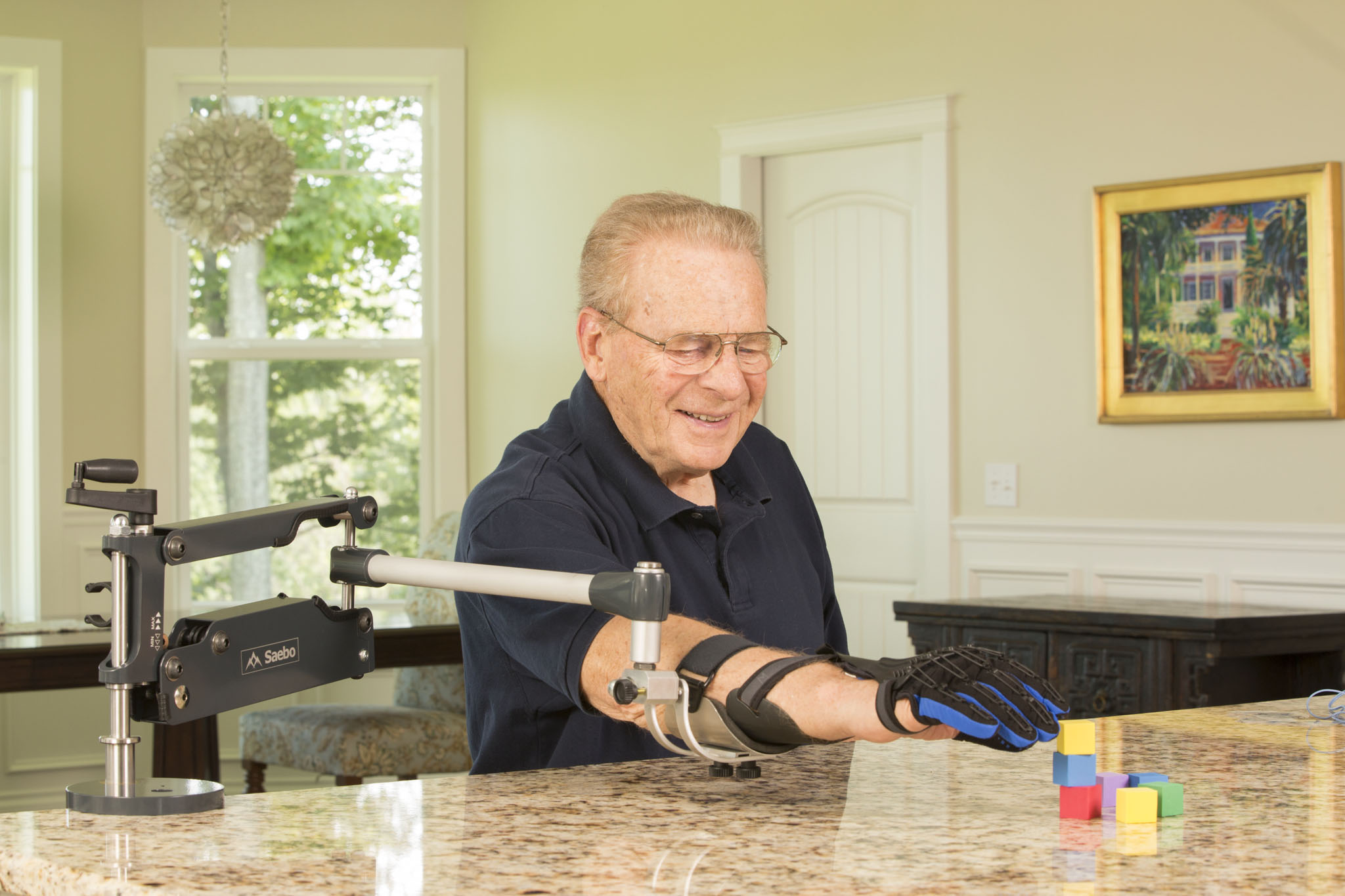
  • Saebo products (Mobile arm support, Saebo gloves and other aids to support recovery of hand/arm function).
  • Technologies to support in practising hand function – Neuro Ball, GripAble
  • Assessment and trial of specialist orthotics to assist with Foot Drop, hand tightness.
  • Use of body garments for sensory and proprioceptive feedback.
  • Access to specialist Occupational Therapy and Speech and Language Therapy services
    Mirror therapy.
  • Treatments that are tailored to client’s specific needs, depending on their issues and the goals they want to achieve.
  • Advise on managing fatigue, anxiety and falls prevention.
  • Therapeutic pain management through mobilisation, exercise, Taping, TENs etc.
  • Advise on medication management for Pain and Spasticity (as some of our Physiotherapists have qualification and experience in prescribing)

Neuroplasticity and recovery after stroke

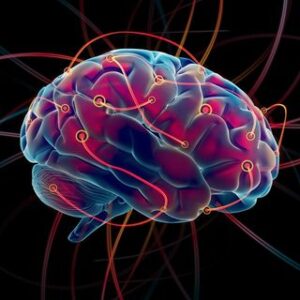
After a stroke, our brains cannot grow new cells to replace the ones that have been damaged, but the brain has the ability to reorganize its undamaged cells and make up for what has been lost. This is called neuroplasticity. This process can be guided by the rehabilitation you receive following your stroke, and your physiotherapist at Aspire Rehab will provide expert guidance on how to relearn movement and regain function.

In the early stages, physiotherapy focuses on preventing complications and enabling to do things that are important to you, such as getting in and out of bed, walking, using stairs. You might start to use equipments and assistive devices to complete a task and gradually aim for managing daily routines and functions independently without the use of these aids. Physiotherapy and rehabilitation from Aspire rehab can help in intensive, repeatable, task-specific training which can promote plasticity and functional recovery.

Stroke therapy can help in improving:

  • Weakness or paralysis down one side.
  • Changes in sensation, such as heavy limbs, numbness and pins and needles.
  • Balance and co-ordination problems.
  • Posture abnormalities.
  • Mobility issues.
  • Joint pain and subluxation.
  • Muscle stiffness, or muscle spasms known as spasticity.
  • Dependency in daily routines.
  • Reduced confidence, fear of falling.
  • Reduced Cardio respiratory endurance

Staying active after a stroke:

Moving and being active can help your recovery, reduce pain and other complication, reduce your risk of another stroke, and improve your wellbeing. Your physiotherapist can advise you on ways to build up activity levels and overall health.

Shoulder pain after stroke:

Some of the potential causes include:

  • Flaccidity/Weakness, weight of the arm and gravity effect can lead to increased load on supraspinatus and other rotator cuff tendons leading to tensile fatigue and possible inflammation and tear.
  • Spasticity leading to shortening of muscles/tendons, abnormal movement pattern and positioning.
  • Scapular Dyskinesis: Hemiparetic shoulder muscles resulting in altered mechanics can provoke impingement causing rotator cuff tendons to experience repetitive trauma and tissue damage. Delay in scapular upward rotation due to increased tone in muscles can lead to subacromial trauma.
  • Capsuloligamentous tightness: Loss of motion due to a tight capsule may lead to proximal migration of the humeral head and subsequent impingement.
  • Faulty positioning of the affected shoulder during daily routines.
  • Poor transfer and handling techniques by clinicians and caregivers.
  • Incorrect bed positioning.
  • Poor stretching by clinicians, caregivers and patient.
  • Improper use of exercise equipment.
  • Poor repetitive active movements by patient.
Treatment:

Physiotherapists at Aspire Rehab are experienced in assessment and management of shoulder pain after stroke. The treatment can include muscle and movement re-education, positioning and posture management, Kinesiology Taping for pain management and improving muscle recruitment, TENS for pain relief, neuro-muscular electrical stimulation (NMES). We can also support in optimising pain medication.

Foot Drop after stroke:

A stroke can affect your sensation in various ways.

  • Feeling less sensitive to touch. Your limbs may feel numb and this can cause difficulties. For example, if you are unaware of pressure on your skin, such as tight clothing or shoes, they might rub and damage your skin without you noticing.
  • Feeling less sensitive to temperature. So you may need to take extra measures to look after yourself. You might need to carefully test water temperatures with your unaffected hand if having a shower or washing up.
  • Feeling more sensitive to stimuli.
  • Feeling unaware of the position and movement in your limbs. You may have difficulty moving around, might need to look at your limbs to know where they are. Some people feel as if their limbs (or part of them) do not belong to them, or like they have altered size or shape.
  • Having unusual sensations – pins and needles or tingling in your affected limbs. Sometimes these sensations can be unpleasant, such as burning, pressure or feeling like something is crawling over your skin.
Treatment:

Our Physiotherapists at Aspire Rehab are experienced in assessment and providing advice for sensory abnormality, including desensitisation techniques, sensory re-education depending on the type of sensory issues.

FAQs:

Can you provide therapy whilst I wait for NHS therapy team?

YES. We can fill the gap whilst waiting for an NHS rehab team, this can be intensive regular therapy sessions or just a few sessions for advice and organising a home programme. When the NHS therapy team start, with your permission, we are able to handover to them. If the NHS therapy team is unable to provide Intensive therapy, we will be able to work alongside the NHS therapy team to maximise the therapy input required for your recovery.

Do you visit care homes?

YES. We visit you at home or care home.

Can I speak to a Physiotherapist before booking an assessment?

YES. We provide a no obligation, free phone consultation to clarify your queries.

Is your Physiotherapist experienced in treating stroke patients?

YES. We have Physiotherapists experienced in Stroke and Neuro Rehabilitation in the NHS setup and private practice. We can provide the profile of the therapist before booking the appointment, to help you make a decision.

Can you show exercises to my carer and family member?

YES. We can work with them and train them. We can organise a therapy programme with pictures and/or videos, so that you can self manage your therapy.

Does your Physiotherapist have experience with FES, NMES, Saebo Glove?

YES. We also use other technologies for rehab, including Neuro Ball, GripAble.

Can your Physiotherapist visit me during a weekend and evening when my family are around?

YES. We are flexible with visiting times and we do not charge extra for visiting during a weekend or evening.

How do Occupational Therapy help in my recovery and do you have this service?

YES. We have an Occupational Therapist (OT) experienced in Neurological rehabilitation. An OT can assist with the activities of daily living, help make adaptations and provide equipment for home and mobility, fatigue and anxiety management, cognitive rehabilitation. They will also support you in returning to work and leisure activities.

Do you have access to Speech and Language Therapy?

YES. We work closely with experienced Speech Therapists who can support in communication and swallowing difficulties.

FREE CONSULTATIONS

We offer a free of charge, no obligation consultation over the telephone to support you in making decision about your rehabilitation needs.

If you require any information or treatment outside of our expertise, we will be happy to signpost you to other relevant agencies..

HOW TO BOOK:

We accept self referrals, referrals from family/carers, health and social care professionals, case managers/solicitors and nursing homes. To discuss the referral or book an appointment,
please email contact@aspirerehab.co.uk or call : 020 3983 5146, 07723332426