Aspire rehab we provide a SMART rehab programme in your home environment commonly not available within the NHS using the latest technology to increase, maintain or improve functional capabilities of individuals.
Aspire rehab we provide a SMART rehab programme in your home environment commonly not available within the NHS using the latest technology to increase, maintain or improve functional capabilities of individuals.
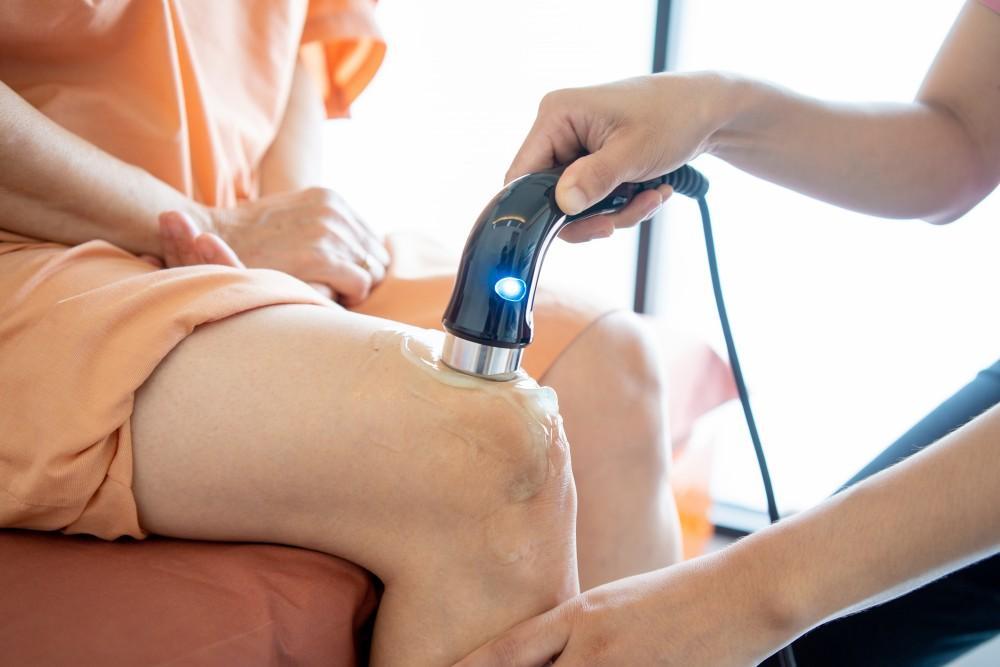
We also work closely with MSK Physiotherapy team who use various technologies at clinic base for pain management (including Ultrasound for diagnosis and guided injections)

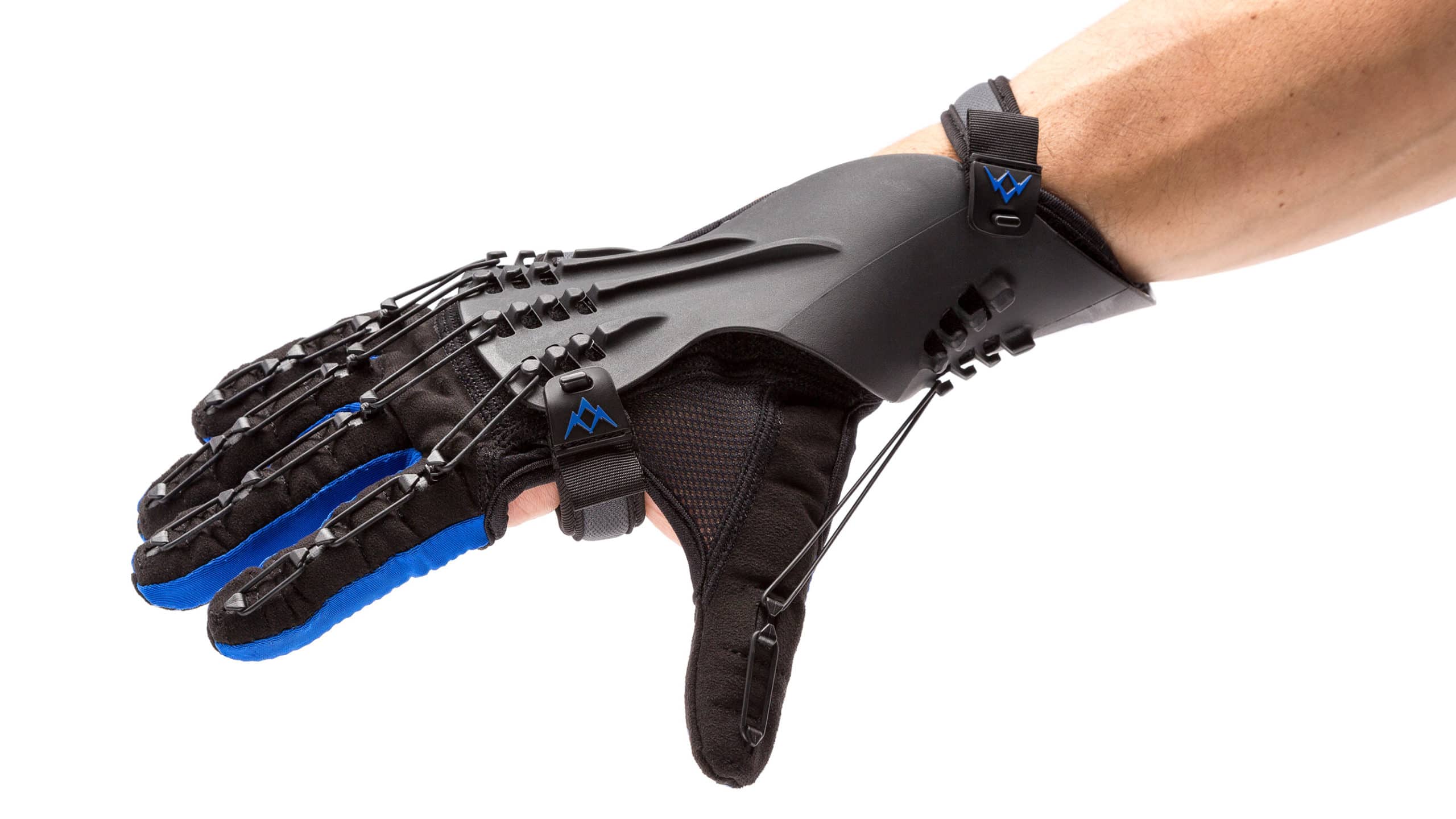
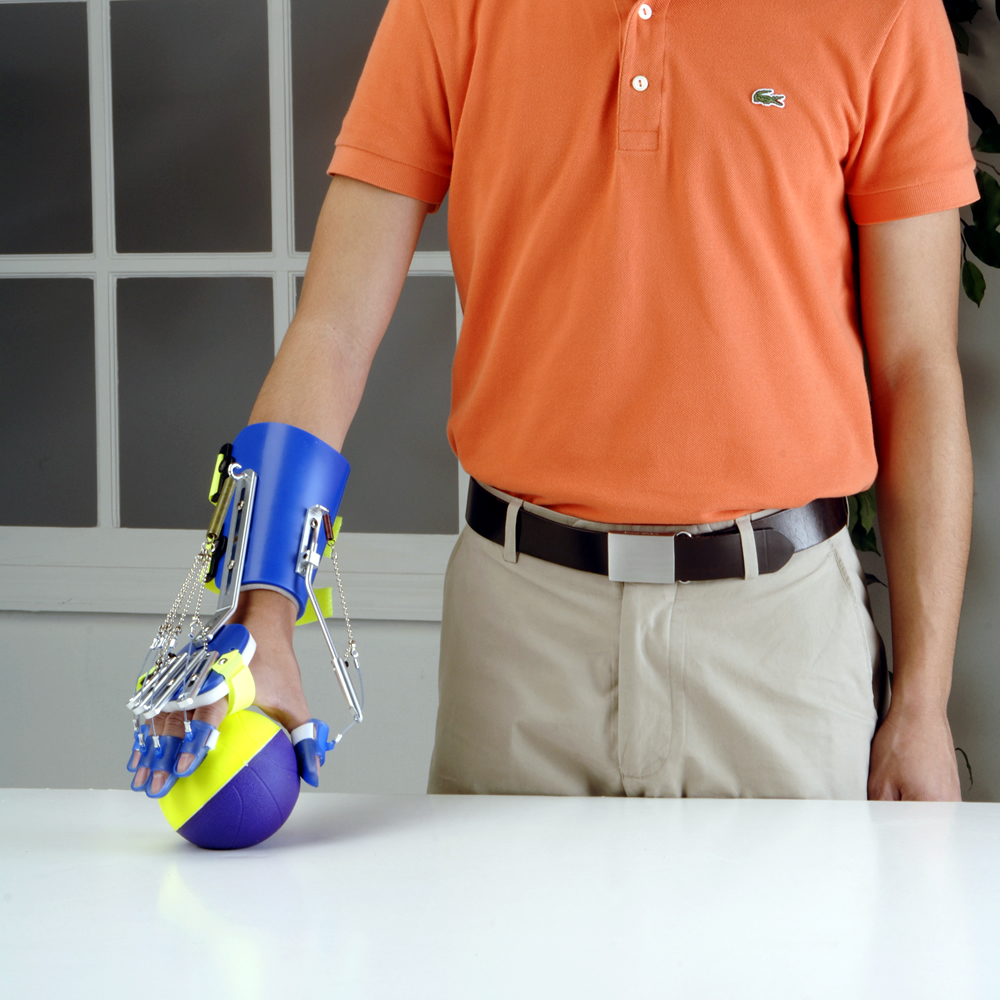
The SaeboGlove is a cutting edge splint that helps clients suffering from neurological and orthopaedic injuries incorporate their hand functionally in therapy and at home. The SaeboGlove is a splint made from soft fabric and semi-rigid parts used for patients that exhibit mild tone or less. The lightweight, low-profile functional design is just one of the many innovative features that are offered with the SaeboGlove.
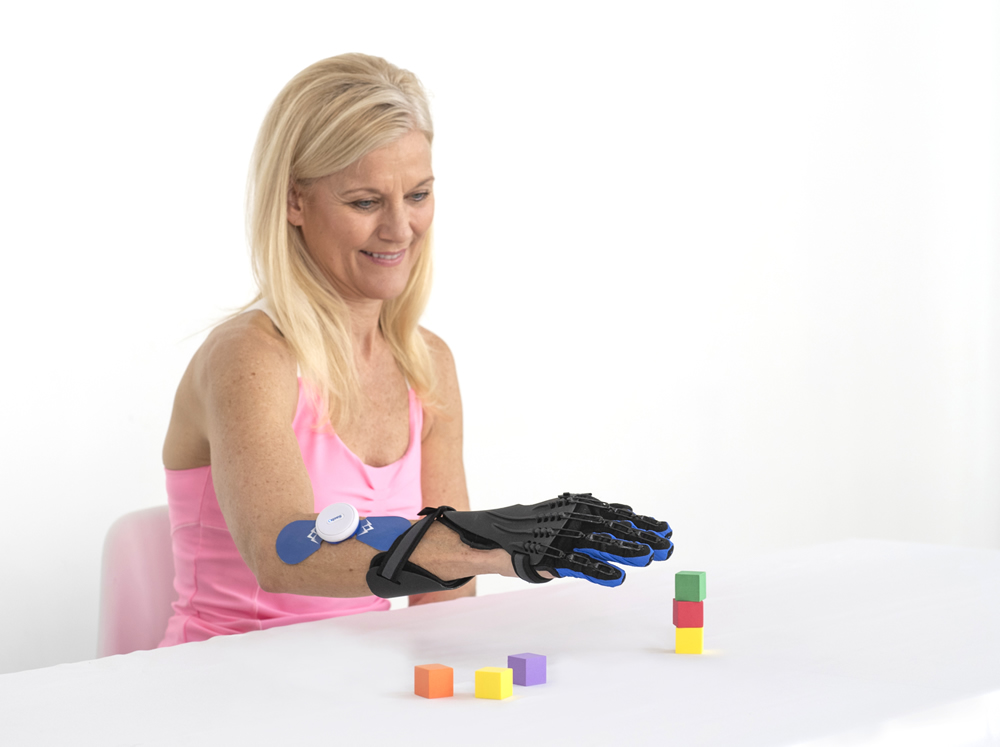
Task-specific training improves upper extremity function in individuals suffering from neurological injuries (including chronic stroke), this can be achieved by functional practise and also using SaeboFlex. The SaeboFlex has the biomechanical advantage in allowing prehension /grasp and release activities for individuals with moderate to severe hemiparesis.
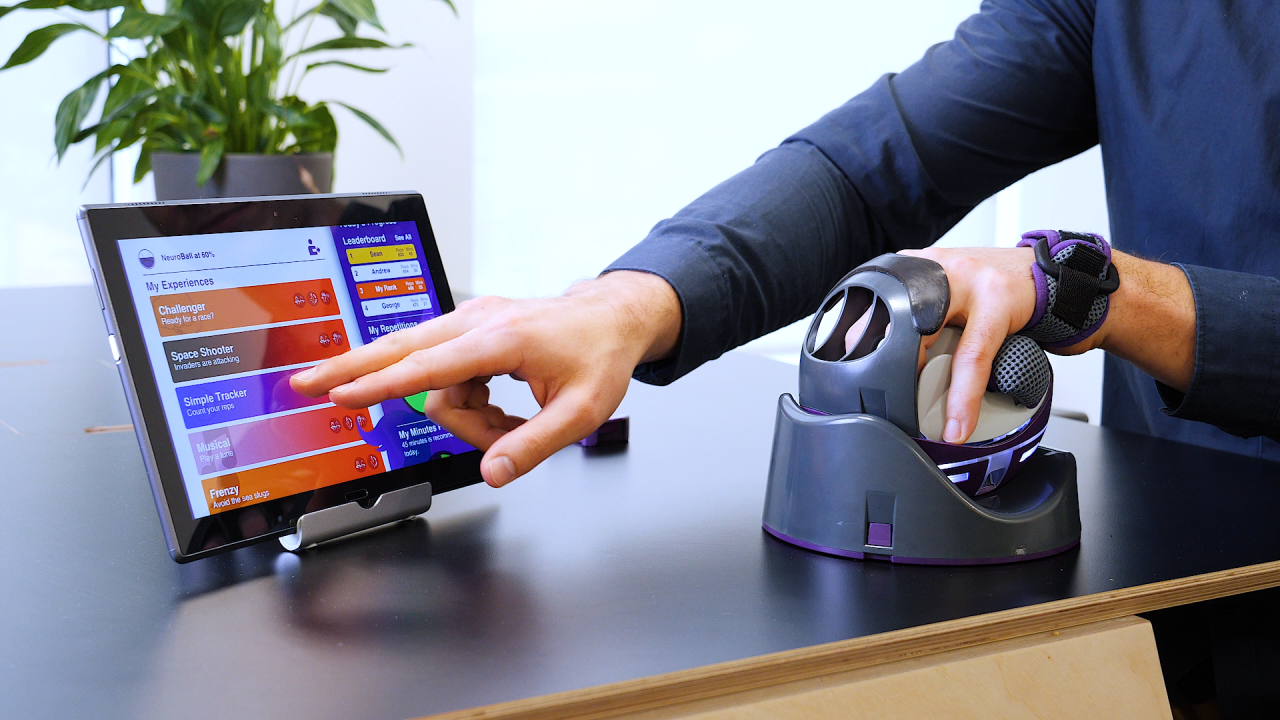
The NeuroBall from NeuroFenix is a smart piece of training equipment, which helps to practise a range of engaging exercises and activities for the affected arm through playing games in the comfort of your own home.
The NeuroBall is suitable for a wide range of impairment levels. The device uses sensors that pick up even the smallest movement. And it adapts all of the activities to your current level of movement. It allows you to train your wrist and fingers, which helps you to practice interacting with objects in the real world. These activities track your daily repetition and constantly quantify your progress. It keeps your hand open – in the position it should be – and ensures an ergonomic positioning for your thumb.
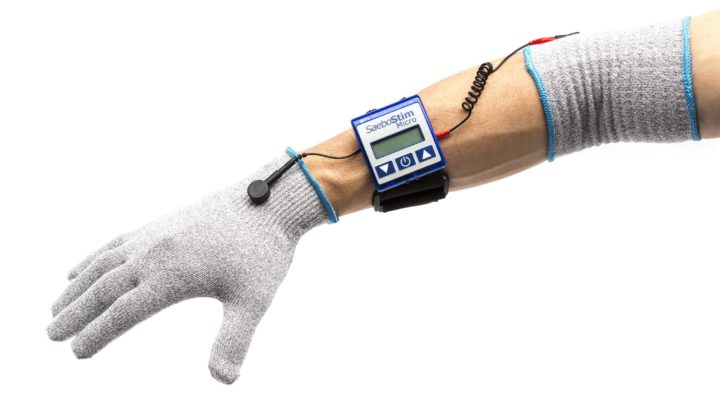
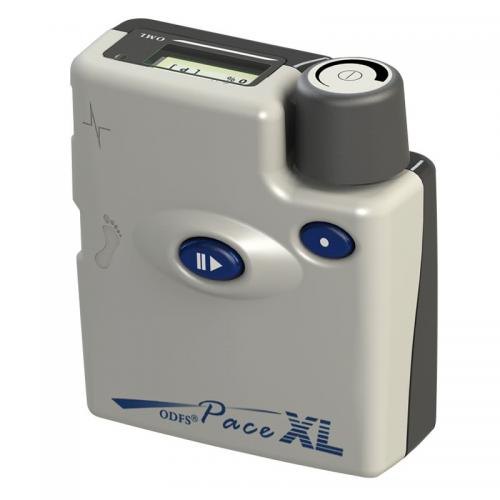
FES is small pulses of electrical stimulation to the nerves that supply paralysed muscles, to assist walking as well as practising functional movements for therapeutic benefit.
FES is used in correction of foot drop resulting from upper motor neurone lesion (brain or spinal cord lesion), such as Stroke, Multiple Sclerosis, incomplete spinal cord injury (at T12 or above), Familial/hereditary spastic paraparesis and Parkinson’s disease.
In addition to dropped foot, deficits in knee flexion or extension, hip extension and abduction and push off at terminal stance can be addressed. FES can be used to strengthen and/or taken out spacing control other muscles used in gait such as hamstrings, quadriceps, gluteal and calf muscles.
NICE guideline for stroke (2016: 4.9.4.1H) recommends, People with stroke who have reduced ability to dorsiflex the foot (‘foot-drop’) should be offered FES to improve their gait.


Physiotherapist and Occupational Therapist at Aspire Rehab are trained to use GripAble for assessment and training to improve movement and grip strength.
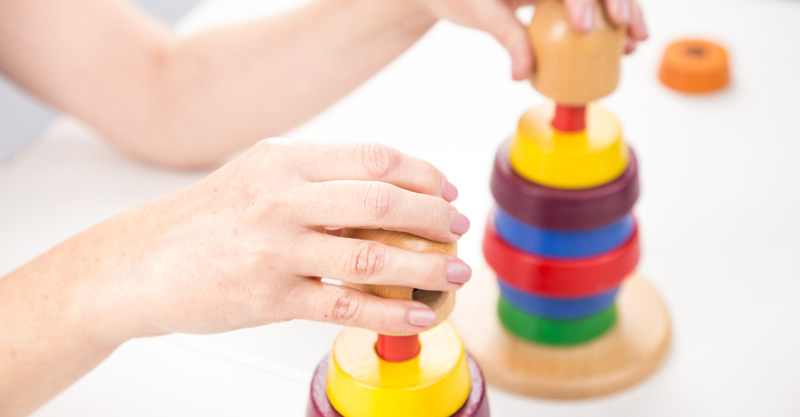
The suitable patient is required to wear a mitten over the unaffected hand, which is to be worn for 90% of waking hours for the two weeks of CIMT. During that time, patients would undergo intense practice with the affected arm for up to 2-3 hours with therapist and 3 hours of the patient undertaking therapy homework assignments based on the participants behavioural contract.
CIMT has been identified as a promising approach to address deficits associated with upper limb hemiparesis experienced by stroke survivors and has been studied and used in interventions by Occupational therapist and Physiotherapists and has been recommended by the Royal College of Physicians Guidelines UK (2016).
Acupuncture is a form of treatment offered by trained Physiotherapists. There is good evidence to show that it is effective and it is often used alongside other treatments like exercise and mobilisation of your joints and muscles. Our Physiotherapists will discuss with you whether acupuncture can benefit you, the number of sessions required and check for any contra-indications. Our Physiotherapists are registered under the Acupuncture Association of Chartered Physiotherapists (AACP).
If you require any information or treatment outside of our expertise, we will be happy to signpost you to other relevant agencies..
We accept self referrals, referrals from family/carers, health and social care professionals, case managers/solicitors and nursing homes. To discuss the referral or book an appointment,
please email contact@aspirerehab.co.uk or call : 020 3983 5146, 07723332426